There are a large number of benefits associated with data mining. In a world in which staring at a computer screen has become the norm, it is interesting to consider how much useful information is generated on the Internet. The data trails that users leave behind give remarkable insight into how they live and what they prioritize. Marketing and advertising companies are now able to trace users’ activities to tailor their brand to the customer. Although some may find it aggravating, the “cookies” that companies use online allow them to gather data and make predictions about users’ preferences.
The field of business is being revolutionized as companies now have astounding access to large quantities of data. The process of data mining has become incredibly streamlined, and companies even sell people’s data to other companies. Facebook has been embroiled in a data contoversy because they sell users’ data to third party companies in order to make a profit while keeping their platform free. Data mining is a necessity for Facebook because their main goal rests upon the fact that all individuals should have the ability to connect with others. If data mining did not exist, then some of the most popular companies would cease to exist in their current model.
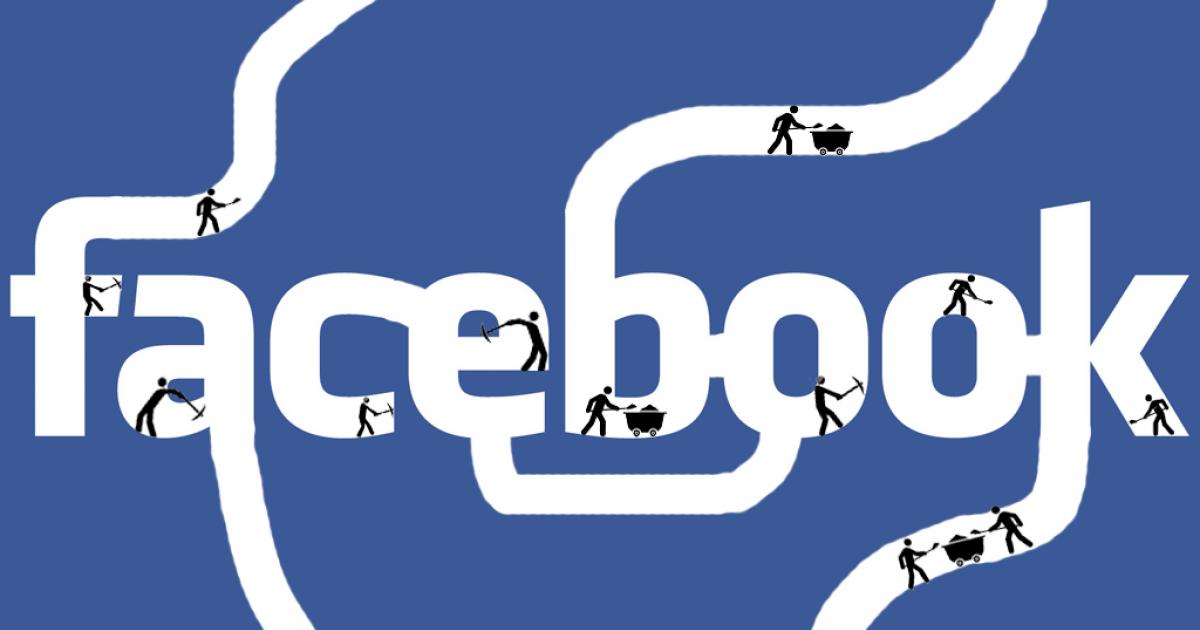
In a journal article titled “A Composite Strategy for the Legal and Ethical Use of Data Mining,” the author writes, “… although there are many significant benefits to be derived from data mining, there are also serious drawbacks to unlimited or unregulated use of data mining” (Payne et al. 6). This quotation describes the delicate balance that companies must strike to avoid infringing on users’ rights. The backlash that Facebook is facing as the company deals with the legal and public relations ramifications from the data mining scandals is an example of data mining going too far in the eyes of the public.
The authors of the same journal article simaltaneously recognize that the positive functions of data mining boost “efficiency, security, customer-service, and product innovation” (Payne et al. 4). This quotation speaks to the nature of the market as focus shifts from traditional advertising strategies to complex measurements of buyers and their purchasing patterns. According to an article published in a University of Illinois Journal, “Data mining allows discovery of subtle relationships like a peak in sales of a product associated with a change in the profile of a particular group of customers.” (Shaw et al. 8).

For numerous businesses, Internet data mining has improved their sales and has the potential to alter the goals that they set for future growth. Companies relying on data mining to feed them information about their customers, sales trends, and their target audience for advertisements have benefited a great deal from data mining. Even so, the costs for companies are high when people find fault with their activities. As a whole, it is yet to be determined whether the economic pros of Internet data mining outweigh the controversies caused by the practice.

 Internet Data Mining